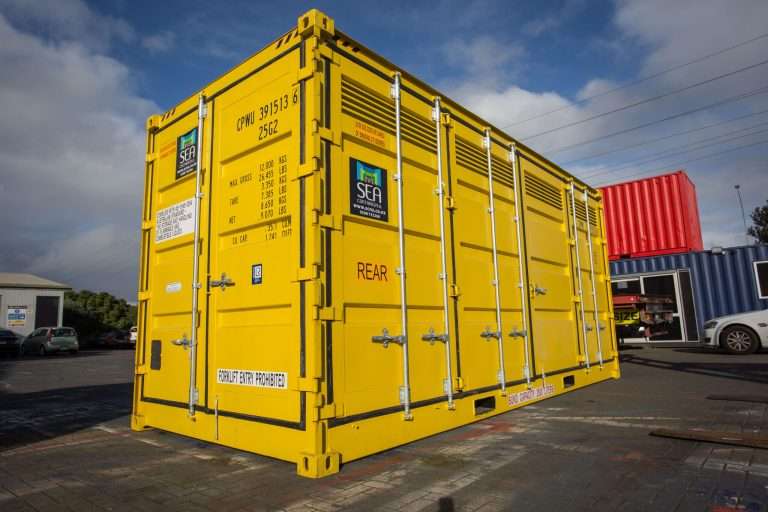

The cost of a shipping container in New Zealand is not just the advertised container price. The final amount usually depends on the container’s size and condition, where it is located, where it needs to go, how easily it can be unloaded, and whether you need any modifications or extras.
That is why the most useful way to compare containers is to ask for a clear delivered quote. It should identify the container being supplied, the delivery location, the delivery method and any charges that may apply for difficult access or additional work.
If you are comparing shipping container cost NZ-wide, be careful with headline prices that do not explain delivery, GST treatment or container grade. A lower starting price can look attractive but may not represent the total cost of getting a suitable container safely onto your site.
What affects shipping container cost in NZ?
There is no single price for every container. Containers are physical assets that vary in age, condition, location and availability. Freight and delivery arrangements can also make a meaningful difference, particularly for rural properties, construction sites and locations away from major transport routes.
Container size
Larger containers generally cost more than smaller containers, but size is not the only consideration. The right choice depends on what you need to store, the space available on site and how the container will be delivered and positioned.
Before requesting a quote, think about the practical job the container needs to do. A homeowner storing household items may need something different from a tradie securing tools, a farmer storing feed or equipment, or a construction company needing site storage.
It helps to tell the supplier:
- what you plan to store
- whether you need room to walk inside or stack goods
- where the container will sit
- how long you expect to keep it
- whether you may need access doors at a particular end
Container condition and grade
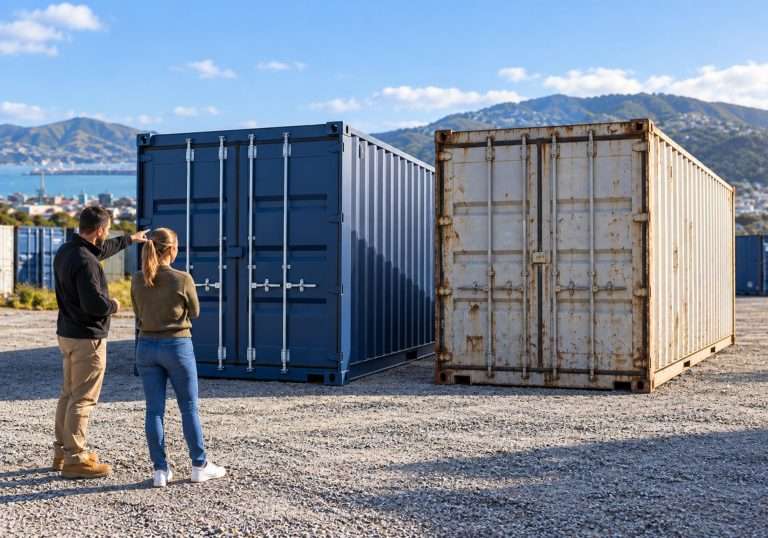
Condition is one of the biggest reasons two containers of the same size can have different prices. A container sold for secure storage may be suitable for a different purpose than a cleaner-looking unit intended for a more visible setting.
Common descriptions can include new or near-new units, often referred to in the market as one-trip containers, along with used containers in varying grades and cosmetic condition. The wording used by sellers is not always identical, so ask what the stated condition means in practical terms.
For example, useful questions include:
- Is the container wind and watertight for storage use?
- What level of surface rust, dents, repairs or paint wear should I expect?
- Are the doors operating properly?
- Is the container suitable for a customer-facing or residential location?
- Can I view photos of the actual unit, or representative recent stock?
A used container can be a sensible option when function and budget matter most. A newer container may suit buyers who want a tidier appearance, a more uniform finish or a unit for a visible commercial, residential or farm location. The best value is the container that is fit for your purpose, not simply the cheapest listing.
Location and container availability
Where the container is held can affect the price. A unit available near your delivery address may be more economical to supply than one that needs to be moved from another location first.
Availability also changes over time. Specific sizes, colours, grades and container types may not be available in every area at the same time. If your project has a fixed start date, ask about current availability early rather than relying on a general online indication.
Delivery distance and transport requirements
Delivery is a separate practical part of the purchase, not an afterthought. The truck needs a workable route to your site and enough room to unload the container safely.
Delivery pricing may depend on factors such as:
- the distance from the container yard or depot to your site
- the road route and property access
- driveway width, turning room and overhead clearance
- ground conditions at the unloading point
- the delivery vehicle and unloading method required
- whether the container needs to be placed in a particular orientation
- any waiting time, site restrictions or additional handling
A straightforward delivery to a level, accessible site is different from placing a container down a narrow rural driveway, behind a building site, or on a sloping section with limited turning space.
When you request a quote, provide the full delivery address and describe the access honestly. Clear photos or video of the entry, driveway, gates, turning area and final placement area can help the delivery team assess the job before the truck arrives.
Why a delivered quote matters
A container price without delivery details is only part of the decision. A good quote gives you a clearer basis for comparing suppliers because it shows what has been allowed for.
Ask whether the quote includes or separately identifies:
- the container size and stated condition
- the container location or availability basis
- transport to your address
- unloading or placement assumptions
- any modifications, accessories or preparation work
- GST treatment
- any conditions that could change the price before delivery
This is particularly important if you are organising a container for a job site, farm or business. Delays caused by unsuitable access, unclear placement instructions or an unprepared foundation can cost time as well as money.
GST: check how the price is presented
When comparing container quotes, check whether prices are shown including GST or excluding GST. This is especially important for business buyers comparing several suppliers, as a figure that appears lower may not be directly comparable with a GST-inclusive price.
Do not assume the treatment from a headline price alone. Ask for the quote to state the GST position clearly, along with delivery and any optional work, so you can assess the total cost properly.
Optional extras that can change the total cost
A standard shipping container can be used as supplied for many storage jobs, but some buyers need more than a basic unit. Modifications and accessories can add to the total price and may affect lead time.
Depending on your intended use, you may want to discuss options such as:
- lock protection or security hardware
- shelving or storage fit-outs
- additional doors, windows or personnel access
- ventilation
- insulation and lining
- electrical work
- painting or branding
- custom fabrication for a specialised use
Not every container project needs these additions. For straightforward farm, residential or trade storage, a sound container and suitable lock arrangement may be the priority. For an office, workshop, retail space or customer-facing site, the finish and fit-out requirements can be quite different.
If you are considering modifications, explain the end use at the start. This helps avoid pricing a basic storage container when you actually need a unit designed around access, comfort, security or workflow.
Site preparation can affect the real project cost
The container supplier may quote for the container and delivery, while site preparation remains your responsibility. Before delivery, consider where the container will sit and how the ground will perform over time.
A firm, reasonably level base helps with placement and door operation. The site should also allow water to drain away rather than pooling around the container. Your required base will depend on the container size, ground conditions, intended contents and whether the unit will be modified or used as part of a larger project.
For anything beyond simple storage, seek advice appropriate to the project. If you are placing a container permanently, converting it, connecting services or using it as a building or work space, council requirements and other approvals may apply. These requirements vary between councils and projects, so check with your local council and relevant qualified professionals before committing to the work.
How to get a more accurate container quote
You can usually get a better answer faster by supplying the details that affect the job. A short enquiry with the right information is more useful than asking only for the cheapest container available.
- Choose the likely size. If you are unsure, describe what you need to store or how you plan to use the container.
- State the condition you are comfortable with. Let the supplier know whether appearance matters as much as storage performance.
- Give the full delivery address. A suburb or town alone may not be enough to assess transport.
- Describe access. Mention gates, narrow driveways, slopes, overhead lines, tight corners and soft ground.
- Explain placement. Say which way the doors should face and whether there are obstacles near the final position.
- List modifications or extras. Include these early if they are part of the project.
- Ask for the total quote basis. Confirm delivery assumptions, GST treatment and anything that could alter the final amount.
Questions to ask before you buy
Before accepting a container quote, make sure you know exactly what you are getting. These questions can help:
- What size and condition is included?
- Is the unit suitable for my intended storage or project use?
- Is delivery included to my address?
- What access and site conditions has the delivery price assumed?
- How will the container be unloaded and positioned?
- What preparation do I need to complete before delivery?
- Are modifications included, if requested?
- Is GST included or excluded?
- What is the expected supply and delivery timeframe for the currently available unit?
Get a shipping container quote based on your site
The most accurate way to understand shipping container cost in NZ is to price the container together with delivery to your actual site. That gives you a more realistic total and helps identify access or placement issues before delivery day.
For a clear, qualified quote from SEA Containers / Container Shop, include your preferred size, delivery address, intended use and a few details about site access. You can request an estimate here.